
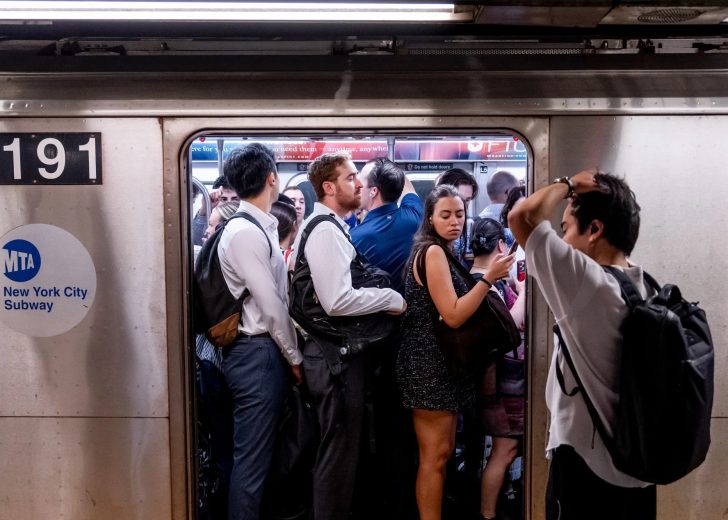
Anyone who has waited for a New York City subway train during summer knows the feeling. Underground platforms can become brutally hot as trains, equipment, crowds, and warm outdoor air send temperatures climbing. At Brooklyn Bridge City Hall, average summer platform temperatures have reportedly reached about 96°F.
New York officials now want to find out if some of that unwanted heat can become useful energy. The city and state are exploring a thermal energy network that could capture heat from subway platforms, store it underground, and use it later to warm nearby buildings. The same project could also make platforms cooler for passengers.
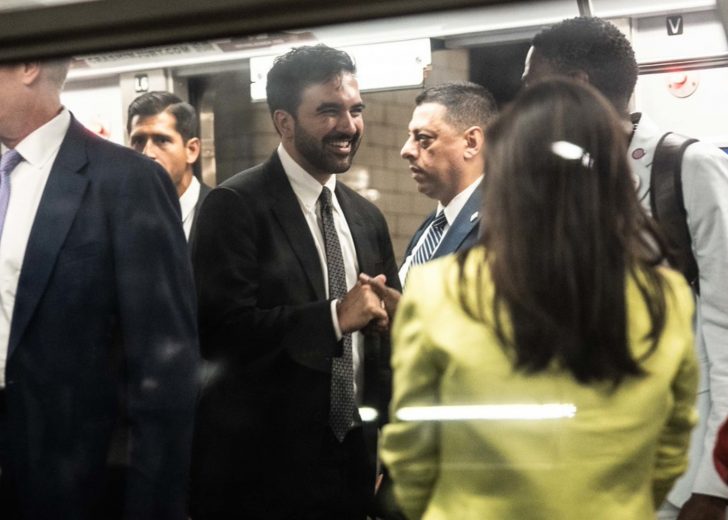
The idea centers on the Brooklyn Bridge City Hall and Chambers Street station complex in Lower Manhattan. Governor Kathy Hochul, Mayor Zohran Mamdani, and the Metropolitan Transportation Authority announced a partnership to study the concept. If it works, a daily summer headache could become part of New York’s clean energy infrastructure.
How Subway Heat Could Warm Buildings?
They can collect energy that buildings and infrastructure would otherwise release into the surrounding environment.
At the subway complex, radiant cooling equipment could absorb heat from hot platform areas. Water circulating through the system would carry that thermal energy away. Removing heat from the platform could lower temperatures while giving the captured energy somewhere useful to go.
The plan then gets more interesting beneath Chambers Street. Geothermal boreholes could be drilled below the abandoned center platform at the historic station. Those underground boreholes would act as part of a system capable of storing and exchanging thermal energy with the ground.
During hot months, the system could move excess subway heat underground. When cold weather arrives, heat pumps could help recover that stored thermal energy. Nearby public buildings could then use it instead of relying as heavily on conventional heating systems.
One possible customer sits almost directly above the subway complex. The David N. Dinkins Manhattan Municipal Building at One Centre Street requires substantial heating during New York winters. Captured subway heat could potentially help meet some of that demand.
The result could create what officials describe as a “win-win” for the city. Commuters could get cooler platforms during hot weather, while municipal buildings could gain another source of thermal energy. Reduced fossil fuel use could also help cut operating emissions and energy costs.
New York is Not Starting From Scratch
Similar heat recovery and geothermal projects have also appeared in parts of Switzerland, Spain, and the Czech Republic.
New York’s proposal would still mark important territory in the United States. Officials say the planned thermal energy network could become the first system of its kind installed in a U.S. transit network. That makes the Lower Manhattan study useful far beyond a single station.
The timing also connects with major work planned at Chambers Street. The station dates back to 1913 and needs extensive repairs. Planned improvements include structural work, new tiles, stairway upgrades, and other changes intended to restore the aging complex.
Funding for the broader station restoration is tied to proceeds from New York City’s congestion pricing program. Combining infrastructure repairs with climate technology could make practical sense. Crews already working on a major station overhaul may have opportunities to prepare space for new thermal equipment.