
Launching a tech product in 2026 takes far more than a flashy event and a polished website. Buyers have endless choices, and news spreads across social media, review channels, online communities, and AI powered search in minutes. Your product needs a clear purpose before anyone will pay attention.
The strongest launches are built on preparation, timing, and steady execution. Smart companies spend months creating demand before launch day arrives. They keep customers interested after the excitement fades. That long-term mindset separates products that disappear from products that grow.
Build Demand Before Anyone Can Buy

Successful brands begin creating interest weeks or even months in advance.
A simple landing page with a waitlist works surprisingly well. It attracts early supporters, gathers feedback, and creates excitement before the product goes live. Those first subscribers often become your first customers and your loudest supporters.
For software products, this stage is also the perfect time to narrow your focus. Solve one urgent problem for one clear audience instead of trying to satisfy everyone. A focused product is easier to explain, easier to market, and much easier to improve.
Let Reviewers Shape the Conversation
People rarely buy a new tech product without looking for reviews first. Trusted creators on YouTube, respected journalists, and niche experts influence thousands of buying decisions every day. Their opinions often shape discussions across Reddit, online stores, and AI-generated search results.
That influence makes reviewer outreach one of the most valuable parts of a launch. The best reviewers often plan their schedules several months ahead. Reaching out early gives them enough time to test the product properly instead of rushing through it.
Large reviewers help build public awareness. Smaller experts bring credibility to specific industries. Their detailed reviews often answer questions that mainstream coverage misses. Together, they create stronger trust than paid advertising alone.
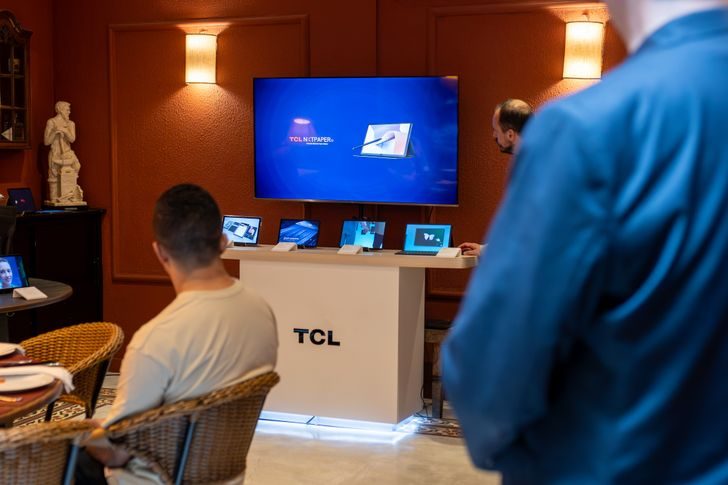
Trade shows still have value, but their role has changed. Instead of announcing products during crowded events, many companies now use these gatherings for private demonstrations and media meetings. The public launch follows several weeks later, after reviewers have had enough hands-on experience.
Make Launch Day Feel Effortless
Customers only see the finished result. Behind the scenes, every team needs to move together. Marketing, product, sales, customer support, and engineering should already know exactly what happens and when it happens.
Many successful companies avoid releasing everything at once. Early access for waitlist members creates valuable feedback before opening the doors to everyone else. Small issues can be fixed quietly while positive reviews continue building.
Pricing deserves just as much attention as product features. Customers lose confidence quickly if payments fail or important payment methods are missing. Every checkout process should be tested carefully before launch day arrives.
Your launch content should also be ready well in advance. Product videos, demonstrations, social posts, blog articles, email campaigns, and support documents all need to tell the same story. Consistency helps customers understand the product faster and builds confidence.
Keep Growing After the Buzz Ends
Remember, launch day is only the beginning of the real work.
The first weeks reveal how customers actually use the product. Their feedback highlights confusing features, missing tools, and unexpected problems. Listening carefully helps teams improve faster than guessing what users want.
Success should not be measured by download numbers alone. Real progress comes from customer activation, repeat usage, paid conversions, and long-term retention. Those numbers show whether people truly find value in the product.