
A sudden power collapse across Cuba exposed serious weaknesses in the country’s energy system. Millions lost electricity within hours, and daily life quickly came to a halt. Homes lost refrigeration, water systems stopped working, and entire neighborhoods in Havana went dark. The disruption began after a major thermoelectric plant shut down due to a boiler issue, removing a huge portion of the nation’s power supply.
Communities across broad areas struggled to cope as the outage spread. Hospitals switched to backup generators, while transport systems slowed significantly. Meanwhile, households suffered immediate losses as food spoiled and essential services broke down.
This blackout did more than disrupt routines. It highlighted how fragile centralized energy systems can become when they depend heavily on a few large facilities.
Why Centralized Power Systems Break Down
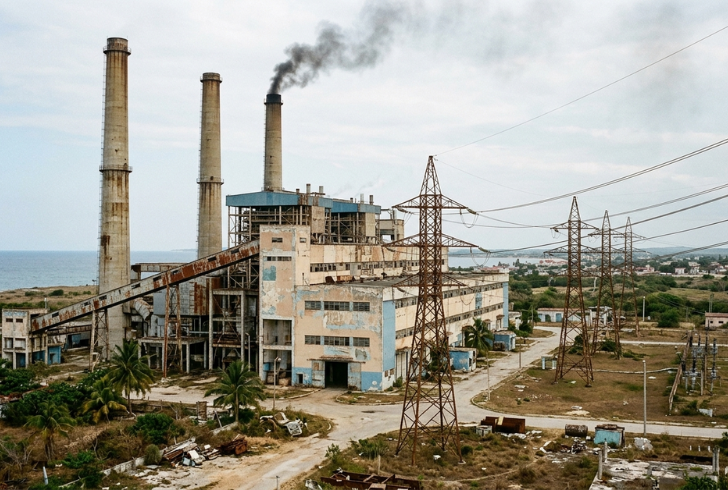
Cuba’s grid problems have built up over several years. Aging infrastructure, limited upgrades, and ongoing fuel shortages have weakened the system. Also, restrictions on fuel imports have reduced the availability of oil needed to run thermoelectric plants.
Because the country relies on a handful of major power stations, any failure spreads quickly across the network. When one plant shuts down, others cannot easily fill the gap. Over time, the outage spread across large regions, leaving communities to manage the fallout.
Recent patterns indicate mounting pressure on the system. Since 2024, the country has experienced multiple nationwide blackouts, signaling deep structural issues. At the same time, electricity consumption per person has steadily declined, reflecting reduced availability and reliability.
Compounding the problem, ongoing maintenance challenges have further increased instability across the grid, making outages more frequent and harder to manage.
Therefore, the issue goes beyond one incident. It reflects a structural weakness where centralized systems cannot adapt quickly under stress.
The Limits of a Single-Grid Approach
Centralized grids operate efficiently under stable conditions. However, they struggle during disruptions. A single technical failure can trigger a chain reaction, which leads to widespread outages.
In Cuba’s case, the shutdown of one major plant caused a significant drop in supply. Consequently, the grid could not maintain balance, and power failures spread rapidly.
This model also limits flexibility. When supply drops suddenly, the system lacks alternative sources to compensate. With these conditions, recovery slows, and the consequences grow more serious.
How Distributed Energy Changes the Model
Energy experts now focus on distributed systems as a more resilient solution. Instead of relying on one large grid, distributed energy uses smaller, localized networks powered by renewable sources like solar and wind.
These systems operate independently when needed. This ensures that a failure in one area does not affect the entire network. Communities can still access power even if the main grid collapses.
Key advantages include:
1. Local energy production reduces dependence on central plants
2. Faster recovery during outages
3. Greater flexibility in managing supply and demand
Because of these benefits, distributed systems create a more stable and adaptable energy structure.
The Role of Flexible Energy Demand
Energy stability depends not only on supply but also on how demand behaves. Traditional systems struggle because demand remains constant even when supply changes.
However, flexible demand can adjust in real time. This approach allows certain energy users to reduce or increase consumption based on availability, with this design, the grid maintains better stability.
Experts emphasize that combining renewable energy with flexible demand creates stronger systems. This balance prevents overload and reduces the risk of widespread failure.
Where Bitcoin Mining Fits Into the Equation
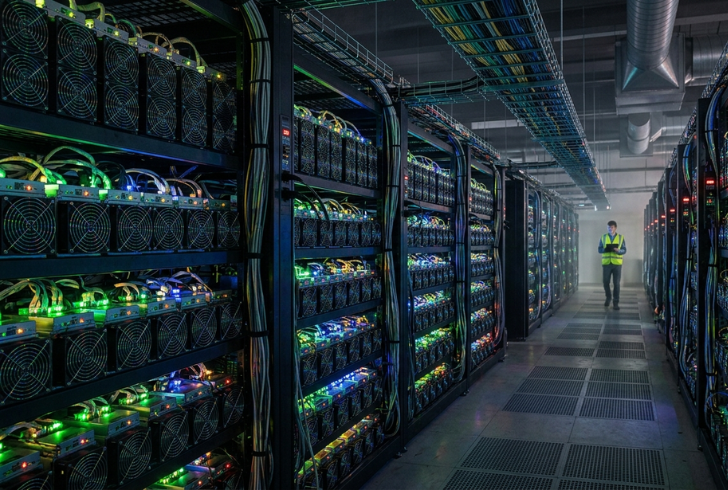
Bitcoin mining introduces a unique form of flexible energy demand. Unlike most industries, mining operations can stop or restart almost instantly. Because of this, they do not disrupt other systems when they adjust usage.
When energy supply increases, miners can use excess electricity. On the other hand, when demand rises, they can shut down quickly. This flexibility helps stabilize grids, especially those powered by renewable sources.
An energy executive explained that resilient systems require both distributed supply and adaptable demand. In simple terms, flexibility on both sides prevents major disruptions.
Turning Surplus Energy Into Economic Value
Renewable energy often produces more power than needed during certain periods. Without storage or demand, that energy goes unused. Bitcoin mining provides a solution by acting as a constant buyer of excess electricity.
Because miners consume surplus power, energy producers gain a reliable revenue stream. This model makes renewable projects more financially sustainable.
Real-world applications already show success:
1. Remote regions use microgrids powered by hydro or solar energy
2. Mining operations support infrastructure development in rural areas
3. Large markets use miners to balance wind and solar production
By doing so, energy that would otherwise be wasted becomes a valuable resource.
Energy Independence and System Resilience
Cuba’s blackout highlights the importance of energy independence. When power systems rely on centralized control, failures spread quickly and affect entire populations.
Compared to centralized systems, distributed systems provide communities with enhanced control over energy distribution. They also improve resilience by reducing dependence on a single source.
Experts also stress that renewable energy goals require flexible systems. As clean energy adoption grows, demand must adapt to changing supply conditions. Flexible users, including mining operations, can support this transition effectively.
A Shift Toward Smarter Energy Design
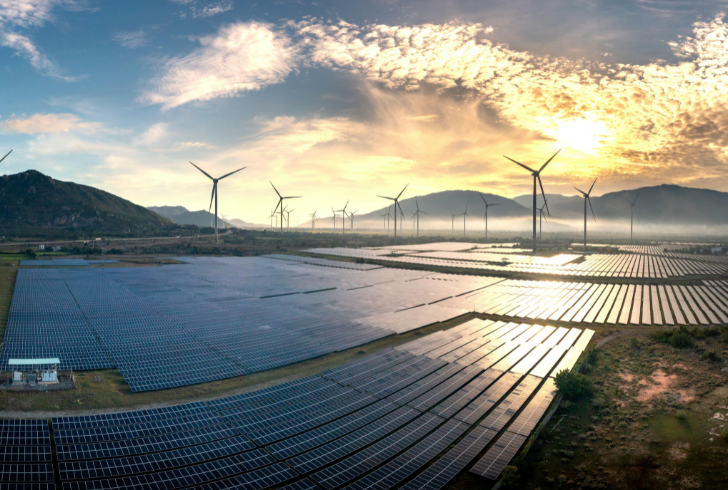
Energy systems continue to evolve as new challenges emerge. While centralized grids still play a role, their limitations have become more visible.
On the other hand, combining distributed energy with flexible demand offers a stronger model. It improves efficiency, reduces risk, and supports long-term sustainability.
Cuba’s experience serves as a clear example of why change is necessary. Systems must adapt to handle disruptions without collapsing entirely.
What the Future of Energy Could Look Like
Future energy systems will focus on balance and adaptability by integrating multiple solutions rather than relying on a single structure. Energy production will become more localized and efficient, reducing pressure on national grids and minimizing disruption during outages while speeding up recovery.
Cuba’s blackout highlights how vulnerable systems can be without flexibility, but it also underscores the importance of resilient design. Stronger infrastructure will depend not on size, but on smart planning, balanced consumption, and the ability to adjust in real time.
As energy needs grow, the future lies in building systems that are flexible, efficient, and resilient.