
SpaceX finally made its long-awaited debut on the public market, and the numbers were staggering. The aerospace giant completed the largest initial public offering ever recorded, raising approximately $75 billion and instantly becoming one of the world’s most valuable public companies.
The historic launch into public trading sparked excitement across Wall Street. Employees celebrated massive windfalls, investors rushed to buy shares, and supporters hailed the moment as another milestone for Elon Musk. Yet beneath the excitement, a growing number of experts are questioning if the company’s valuation reflects reality.
The debate has quickly become one of the biggest financial stories of 2026. While supporters see limitless growth ahead, critics argue that investors may be overlooking significant risks.
Historic Market Debut of SpaceX IPO
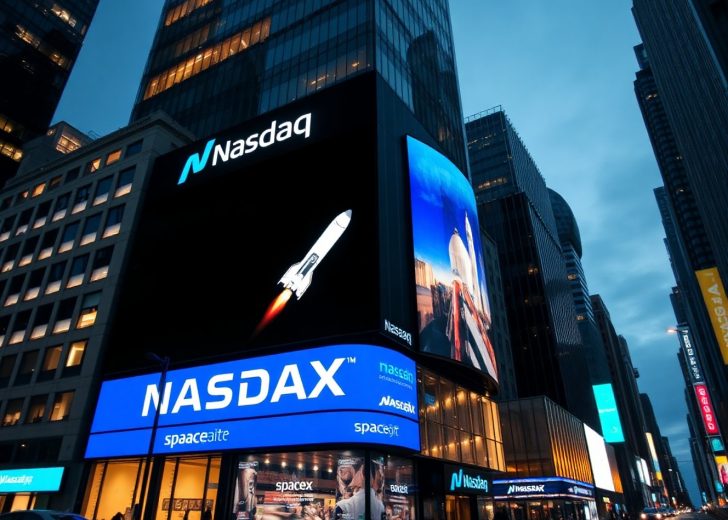
Investor enthusiasm pushed the stock even higher. Shares opened at $150 on the Nasdaq under the ticker SPCX and finished the day with a market capitalization of approximately $2.1 trillion.
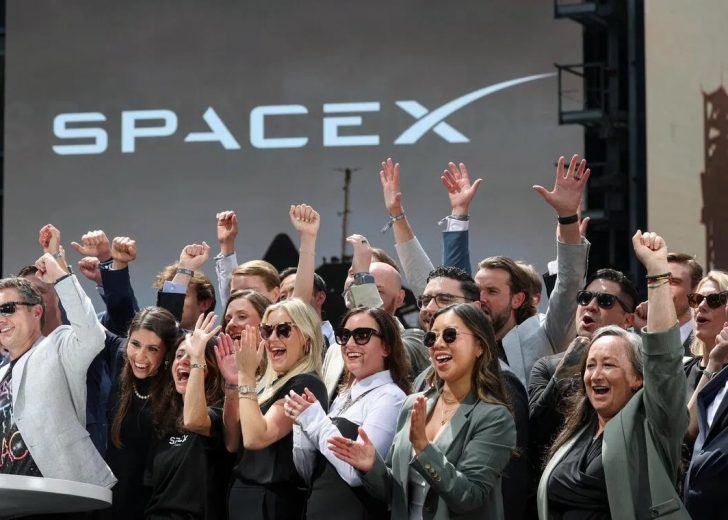
The IPO instantly created a new class of wealthy employees. Reports indicate that around 4,400 workers became millionaires overnight as their stock holdings surged in value.
Among those newly minted millionaires, roughly 400 employees reportedly held shares worth more than $100 million. For many workers who joined the company during its earlier years, the IPO delivered life-changing rewards.
The debut also reinforced SpaceX’s reputation as one of the most closely watched companies in the world. For years, investors eagerly waited for an opportunity to own a piece of the company behind reusable rockets, Starlink satellites, and ambitious plans for deep space exploration.
Investors Question Musk’s Tight Grip on Power
One of the biggest concerns centers on corporate governance. Elon Musk controls more than 80% of the company’s voting power, giving him extraordinary influence over nearly every major decision.
His role extends far beyond that of a traditional chief executive. Musk serves as CEO, Chief Technical Officer, and Chairman, placing enormous authority in the hands of a single individual.
Some investors see that arrangement as a major red flag. They argue that public companies work best when shareholders have meaningful influence and independent oversight exists at the board level.
Marcela Pinilla, director of sustainable investing at Zevin Asset Management, has been among the most vocal critics. She described SpaceX as “simply too, too risky” for long-term investors and pointed to legal structures that make shareholder challenges extremely difficult.
Large institutional investors have echoed those concerns. Danish pension fund AkademikerPension criticized the governance framework and labeled it “catastrophic.” The Council of Institutional Investors also urged SpaceX to reconsider several governance provisions before the IPO. Critics fear that ordinary shareholders could have very little recourse if disputes arise in the future.
Supporters respond that Musk’s control has been essential to SpaceX’s success. They argue that visionary companies often require strong leadership and freedom from short-term market pressures.
The Numbers Behind the Skepticism
The loss represented a dramatic reversal from 2024, when SpaceX reported a profit of $791 million. Much of the decline stemmed from increased spending on artificial intelligence projects and future growth initiatives.
Some investors see those losses as part of a long-term strategy. Others view them as evidence that the company’s valuation may have outrun its fundamentals. Veteran short seller James Chanos urged investors to proceed carefully. He pointed to negative free cash flow and argued that the stock price reflects expectations rather than current business performance.
His criticism captured a broader concern across financial circles. Many analysts believe investors are paying premium prices today for profits that may not arrive for years.