
Americans are shifting their car-buying habits, opting for higher-priced vehicles over lower-cost options. In November 2025, vehicles priced above $75,000 outsold models under $30,000, signaling a major shift in the U.S. auto market.
This trend reflects the impact of rising car prices, reduced incentives, and changing buyer priorities, particularly among those in peak earning years.
Rising Prices and Early-Year Buying Trends
The first half of 2025 saw strong car-buying activity as consumers rushed to secure vehicles before anticipated price increases tied to tariffs. Car dealerships responded by offering generous incentives to keep buyers engaged.

Cox Automotive Executive Analyst Erin Keating explained, “Automakers are providing healthy incentives to keep sales flowing. Prices are trending higher, but just as we are seeing in the broader retail markets, there’s sufficient demand and generous incentives out there, and that’s driving the market.”
However, as incentive spending slowed and car prices continued to rise, interest from buyers declined in the latter half of the year. Third-quarter and fourth-quarter sales showed clear weakening, reflecting a cooling market.
Average Car Prices Move Toward $50,000
By November, the average price paid for a new vehicle in the U.S. reached $49,814, a 1.3% increase over the previous year and slightly higher than October’s average by $54. Kelley Blue Book noted that prices could surpass $50,000 by the end of the year.
The rise in prices coincided with fewer dealer incentives. November saw dealers discount cars by an average of 6.7%, down from 7.9% the previous year, with the 2025 average incentive across all vehicles at 7% of the final price.
Keating pointed out, “Many new-car buyers today are in their peak earning years and are less price-sensitive, opting for vehicles at the higher end of the market to get the features and experiences they value most.”
Luxury Cars Surpass Budget Models
Data from Cox Automotive and Kelley Blue Book highlights a shift in consumer preference. Vehicles with an MSRP above $75,000 accounted for 10.8% of November sales, while cars under $30,000 represented just 7.5%, down from 10.3% a year ago.
Popular budget models like the Toyota Corolla, Hyundai Elantra, and Chevy Trax remained top sellers within the under-$30,000 segment, but demand for these vehicles is declining.
Pickup Trucks Drive High-End Sales
Full-size pickup trucks have become a major factor in luxury car sales. In November, the average MSRP for a full-size pickup stayed above $70,000 for the third consecutive month. Nearly 183,000 trucks were sold, representing 14.2% of total sales. This strong demand underscores Americans’ willingness to invest in larger, more feature-rich vehicles.
Leading Brands in 2025 U.S. Sales
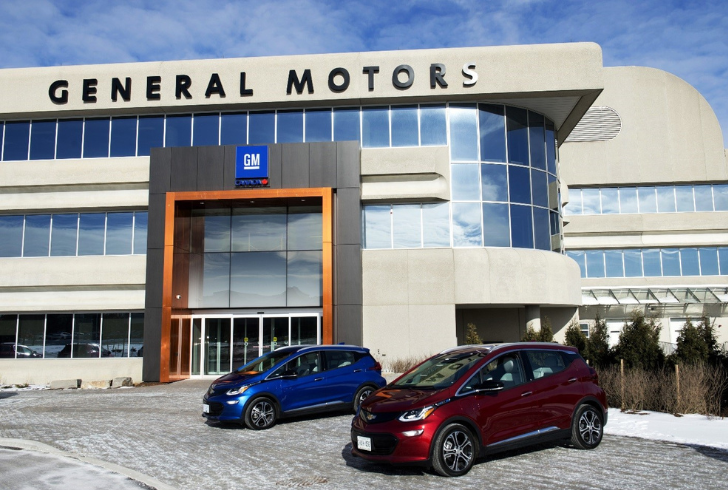
The 2025 auto market saw General Motors maintaining the top spot despite a slower fourth quarter. GM is projected to finish the year with over 2.8 million vehicles sold, an 8.7% decline in Q4 compared to last year, but a 5.1% increase year-over-year overall. GM’s market share rose slightly to 17.3%.
Toyota remained in second place, selling 2.5 million vehicles and increasing market share to 15.5%. Ford sold 2.18 million vehicles, Hyundai reached 1.84 million, and Honda closed the year with 1.42 million units sold.
Electric Vehicle Sales in October
Electric vehicle sales also reflected growing consumer interest:
Tesla: 40,650 units
Chevrolet: 5,910 units
Ford: 4,912 units
Cadillac: 4,344 units
Hyundai: 2,429 units
These figures illustrate a mix of high-end and electric vehicle purchases shaping market dynamics.
Market Implications
The data reveals a clear divergence between luxury buyers and middle-class consumers. While high-income buyers continue to favor premium vehicles, lower-priced options are losing traction. This trend is likely influenced by rising prices, lower incentives, and preferences for advanced features and larger vehicles.
As Keating noted, “The average price reflects what consumers are buying, not what’s available. This data really is more about what is happening to the American car buyer.”
The U.S. auto industry shows signs of slowing, with fewer middle-class buyers participating in late-year sales. Luxury and high-end vehicles now dominate sales figures, fueled by full-size pickups and premium sedans.
Dealers and manufacturers are adjusting incentives and pricing strategies to maintain sales, but the overall market is stabilizing after a strong start in 2025.