
The mood across rural America is tense right now. A new survey from the American Farm Bureau Federation paints a clear picture, and it is not a hopeful one. Around 60% of U.S. farmers say their financial situation is getting worse as they head into the 2026 spring planting season. That number reflects real pressure, not just worry.
However, this shift did not happen overnight. Farmers have dealt with ups and downs for decades, but this moment feels different. Costs are rising fast while income stays stuck. That gap is getting wider, and farmers are feeling it every day.
Rising Costs Are Squeezing Every Acre
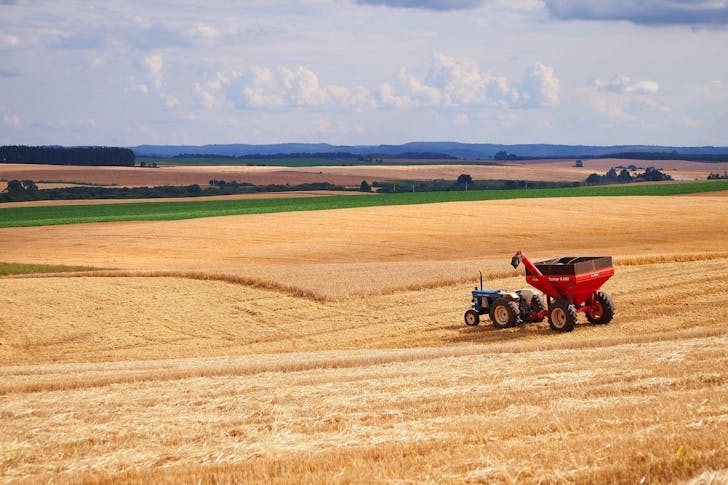
When prices spike, farmers cannot simply cut back without risking their harvest.
Recent data from the American Farm Bureau Federation shows nitrogen prices have climbed by 30%, and urea has surged by 47%. Combined fuel and fertilizer costs are now up between 20% and 40%. Those increases hit right when farmers need to spend the most, which makes the timing even worse.
This surge links back to global events, especially tensions in the Middle East. The Strait of Hormuz, a key shipping route, has faced disruptions that slowed down supply chains. That bottleneck pushed prices higher across the board, and farmers are now paying the price.
About 70% of farmers say they cannot afford all the fertilizer they need this season. That shortfall means tough choices, and none of them are good for long-term productivity.
Regional Gaps are Making It Worse
Not all farmers are dealing with the same level of stress. The South is facing the harshest conditions, and the numbers tell the story clearly. Only 19% of Southern farmers managed to pre-order fertilizer before prices spiked.
In contrast, about 67% of Midwest farmers locked in their supplies early. That difference matters a lot right now. Farmers who secured inputs earlier are in a better spot, while others are stuck paying peak prices.
Around 78% of Southern farmers say they cannot afford the fertilizer they need. That is a huge gap, and it puts entire harvests at risk.
Certain crops are taking a bigger hit than others. Rice, cotton, and peanuts rely heavily on nutrients. When farmers cut back on fertilizer, these crops suffer first. Lower yields become almost certain under those conditions.
Farmers Are Changing Plans to Stay Afloat
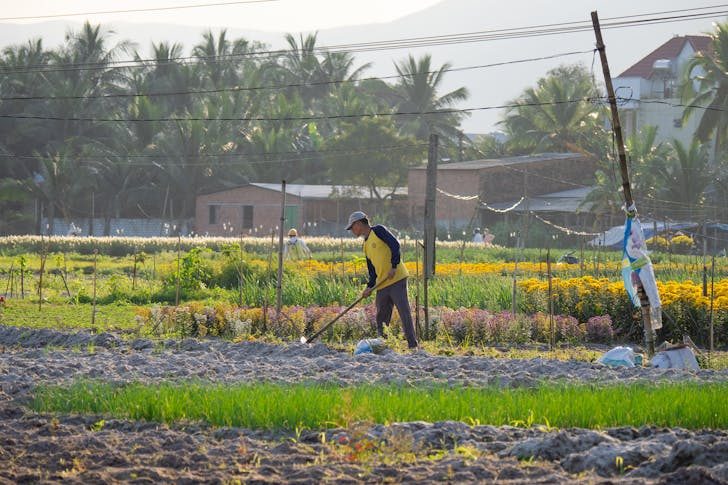
Corn and milo are two examples where farmers are pulling back.
At the same time, some are shifting toward crops like soybeans. These require less fertilizer, which helps lower costs. It is a practical move, but it can reshape supply levels across the market.
Another approach is stretching fertilizer supplies. Farmers spread smaller amounts across larger areas to cover more ground. This helps them manage costs in the short term, but it often leads to lower yields.
That trade-off creates a ripple effect. Lower yields mean less product to sell, which cuts into income. It also reduces overall supply, which can push food prices higher later on.
The situation gets even tougher when you look at crop prices. Many farmers say they are paying modern-day costs while receiving prices that feel stuck in the past. One farmer described it as getting paid like it is still the 70s or 80s.
As if rising costs were not enough, the weather is making things worse. A large portion of the country is dealing with drought conditions right now. About 61% of the continental U.S. is facing moderate to exceptional drought.
The Southeast is hit especially hard, with 97% of the region affected. That level of dryness puts crops under serious stress. Even with enough fertilizer, yields would still be at risk.