For years, the global economy ran on a simple idea. The United States was steady, predictable, and reliable. Countries built trade deals, defense plans, and financial systems around that belief. It did not mean everyone agreed with Washington, but they knew how it would act.
That sense of certainty is fading fast, polls show. Leaders no longer assume the United States will stay consistent. Policies shift more often, and signals from Washington feel mixed. This creates doubt, and doubt spreads quickly in global markets.
The change is not just about politics, though. It is about how countries plan their future. When trust drops, nations prepare for worst-case outcomes. That leads to cautious decisions, slower deals, and less cooperation across borders.
This shift carries weight because the United States still sits at the center of global finance. When confidence in that center weakens, the whole system feels unstable. Even small doubts can trigger large reactions in markets.
A Predictable System Starts to Unravel
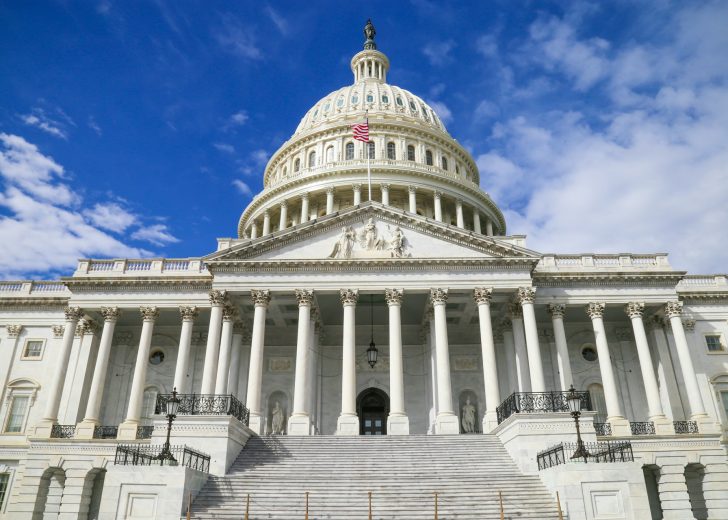
Investors trusted American institutions to act independently and follow clear rules. That trust kept money flowing and risks manageable.
Now, cracks are showing inside those institutions. Tensions between political leaders and the Federal Reserve raise serious concerns. The central bank’s independence has always been key to global confidence. When that independence looks threatened, investors get nervous.
Legal battles and public pressure on financial institutions add another layer of uncertainty. Markets depend on clear boundaries between politics and policy. When those lines blur, it becomes harder to predict outcomes.
This uncertainty does not stay inside the United States. It spreads outward through trade, investment, and currency markets. Countries that once relied on American stability now question their assumptions. That forces them to rethink long-term strategies.
Capital Still Flows, but With More Doubt
Even as trust falls, money keeps pouring into the U.S. The reason is simple. The American economy is still massive, liquid, and full of opportunity.
Technology plays a big role in this story. The rise of artificial intelligence has pushed global investors toward American firms. These companies lead innovation and attract huge amounts of capital. That keeps the U.S. at the center of economic growth.
At the same time, investors are becoming more careful. They no longer assume U.S. assets are risk-free. This shift shows up in subtle ways, especially in the bond market. Demand for U.S. Treasuries is not as strong as it once was.
The growing national debt adds to these concerns. Large deficits make investors question long-term stability. Political fights over debt limits make things worse. They introduce the idea that payment delays or disruptions could happen.
Even if those risks remain small, the perception alone changes behavior. Investors start to price in uncertainty. That raises costs and reduces confidence over time.
The World Starts to Hedge Its Bets
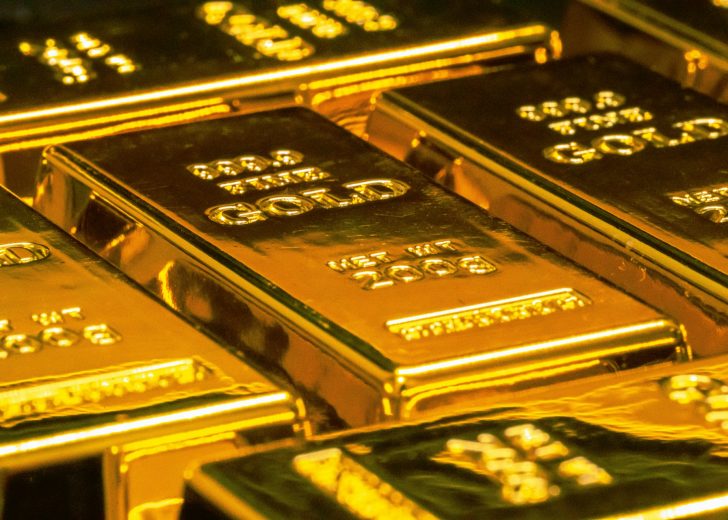
This shift signals a move toward financial independence.
Other currencies are also gaining attention. The euro is becoming more attractive as Europe works to strengthen its financial system. China continues to push the use of its currency in global trade. These efforts aim to reduce reliance on the dollar.
None of these alternatives can fully replace the United States right now. The dollar still dominates global transactions. American markets remain deep and highly liquid. That gives the United States a strong advantage.
However, the change will not happen overnight. The U.S. will not lose its position suddenly. What we are seeing is a gradual shift, not a sudden collapse. This slow change can still have major effects. As trust declines, the cost of doing business rises. Investors demand higher returns to cover added risk. Governments face more pressure when borrowing money.